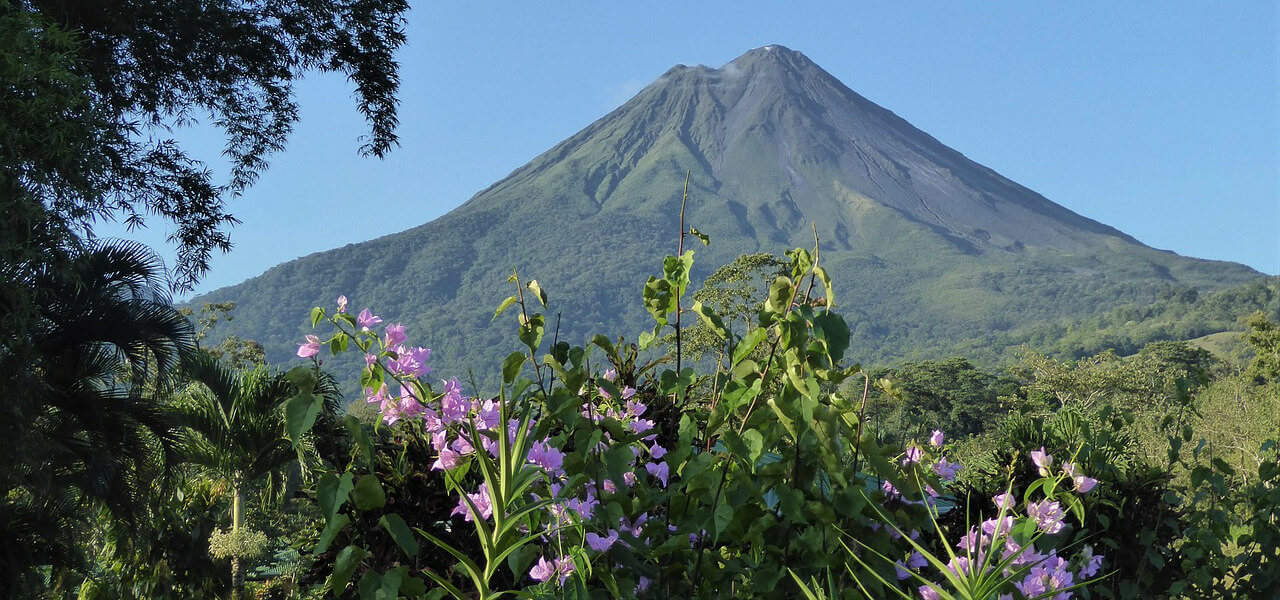
When you envision a Costa Rican vacation, you might see yourself sipping on a tropical drink at a luxurious eco-lodge or ziplining through its lush, green jungles.
For many, this is the idyllic image of Costa Rica’s beloved Pura Vida— a.k.a. the simple life.
But there is much more to see and experience outside of Costa Rica’s trendy resort zones, where sightseeing meets climate innovation and engagement.
Local communities are responding to powerful storms, floods, and landslides (not to mention rapidly accelerating biodiversity loss), offer authentic experiences where curious visitors can learn about and participate in their efforts.
From vast cloud forests to mangrove villages and breathtaking coastlines, check out our guide to seven unique Costa Rica travel experiences that put climate action at the forefront.
READ MORE: The Ultimate Guide to Ecotourism in Costa Rica
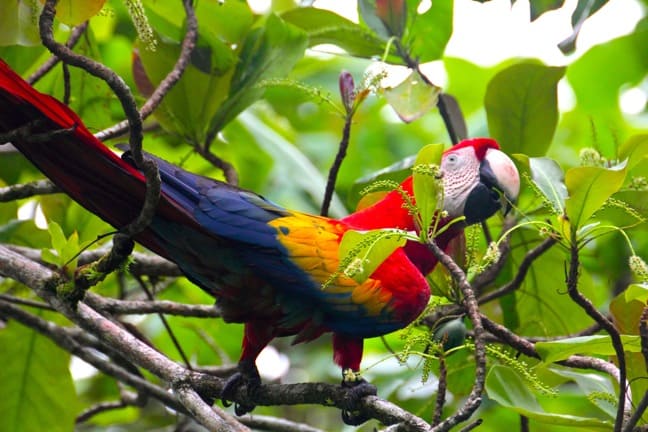
1. Osa Peninsula— Observing Wildlife in a Shifting Climate
Regional impacts on Costa Rica’s Osa Peninsula reflect a global environmental predicament.
Scientists have warned that extinction rates will rise alongside extreme temperatures. Over 62% of tropical forests are becoming increasingly disconnected from their future climate zones, leaving wildlife trapped.
This is where your adventures beyond the Costa Rica resorts truly begins.
An excursion with a local Bribri guide and Osa Conservation is more than a trek off the beaten path— it’s an opportunity to reconnect with the area’s unique biological corridors. You’ll learn how experienced guides observe changes in animal behavior as they seek to heal the landscape.
For example, Dos Brazos de Río Tigre is a community at the edge of Corcovado National Park that has transformed itself into an ecotourism epicenter, where local attendants are key to the initiative.
When you hire a guide there for an authentic cultural and ecological experience, you’re directly sustaining those who serve as guardians of the forest.
READ MORE: Casa Corcovado Jungle Lodge: Eco Luxury in Costa Rica
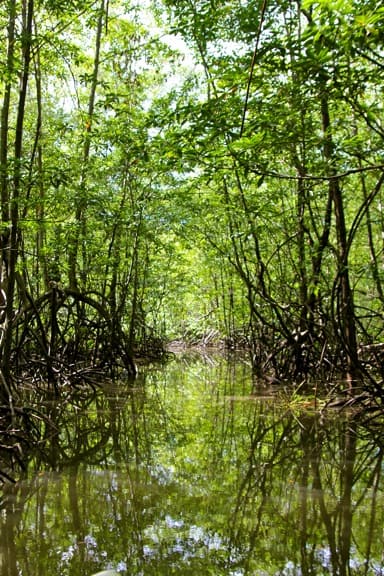
2. Manzanillo— Supporting Women-Led Mangrove Economies
Costa Rica is celebrated for its natural beauty and biodiversity. Yet the nation remains highly vulnerable to climate change impacts, particularly in climate-dependent economies such as tourism, fishing, and agriculture.
The coastal community of Manzanillo in Puntarenas is one example: More than 80% of residents live in the mangrove forest, where fishing is their livelihood.
In response to growing threats, a local women’s cooperative has planted over 4,000 mangrove plants to restore the ecosystem, recover fishing activities, and protect their homes from storms. They emphasize sustainable harvesting and ecotourism to offset losses from inconsistent fishing seasons.
When you take a guided boat tour of the forests in the Gandoca-Manzanillo Wildlife Refuge, you support a women-led, community-based economic system that enables local families to flourish.
The nonprofit community organization, Talamanca Association of Ecotourism and Conservation, stands out for having the sole natural mangrove oyster bank on the country’s Caribbean coast.
READ MORE: The Top 20 Things to Do in Costa Rica for Nature Lovers
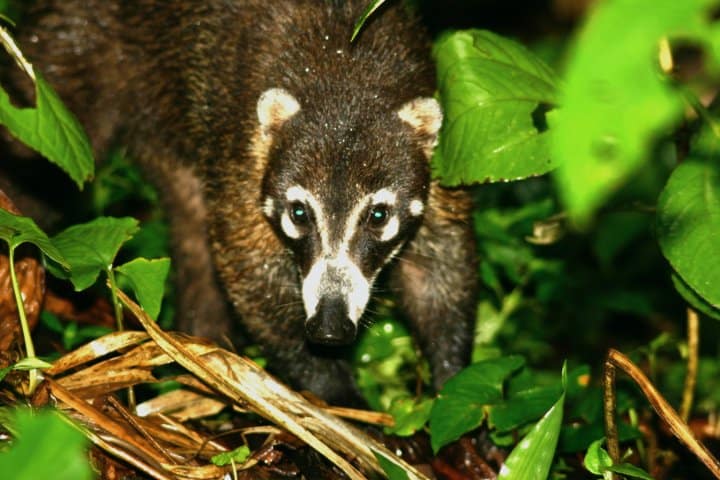
3. Monteverde— Witnessing a Cloud Forest on the Move
The Monteverde Cloud Forest is a renowned natural wonder, infamous for the ghostly mist that envelops its canopy.
However, as ecology professor Gerardo Avalos points out, climate change has raised its cloud base by 1.8 to 2.7 meters annually since 1979, shrinking the sky habitat.
This altered humidity has left forests facing drier conditions during the dry seasons, with more waterlogged conditions during the wet seasons.
The Monteverde Cloud Forest Biological Preserve is using tourism revenue to fund critical research.
Some of its initiatives include managing three preserves and one bird refuge, providing environmental education to surrounding schools, and reconnecting wildlife corridors.
Entrance fees directly contribute to its many ongoing projects. The preserve also offers guided daytime and nighttime walks with expert naturalists, an adventure some might call a new frontier of Costa Rica conservation travel.
READ MORE: 40 Amazing Costa Rica Animals
4. Talamanca— Weaving a Forest Corridor to Heal the Land
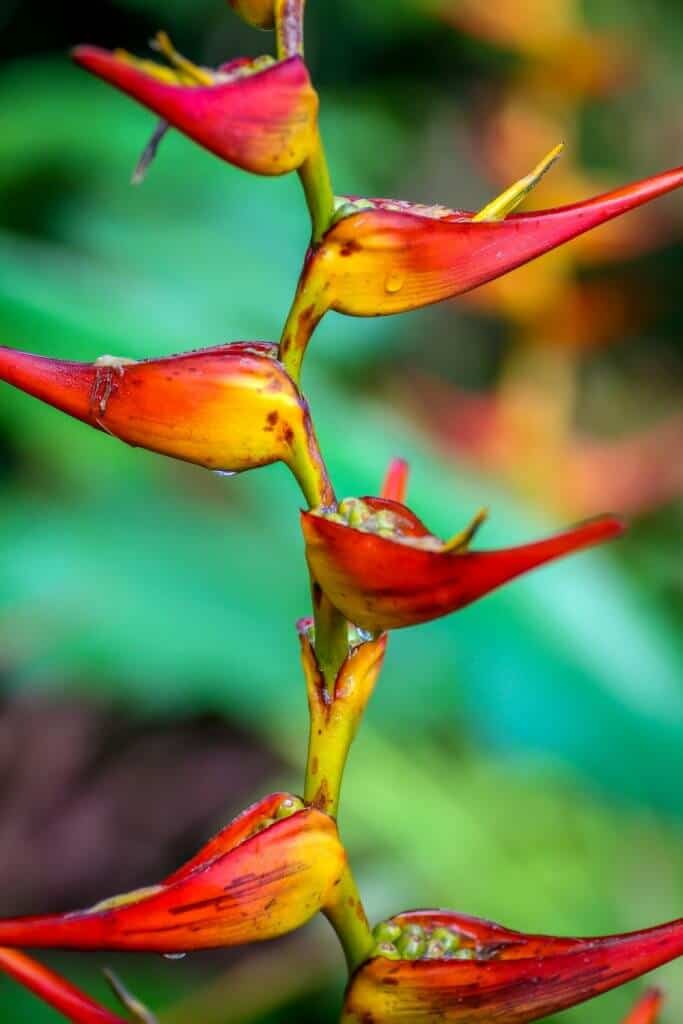
An exciting ecotourism experience lies in the Talamanca mountains of Costa Rica, where the Association of Organizations of the Talamanca Caribbean Biological Corridor (ACBTC) is helping mend forest connectivity.
Its initiatives include creating natural barriers to mitigate flooding, facilitating proper water management, and supporting the local population’s quality of life.
For communities susceptible to landslides, reforestation stabilizes steep hillsides and protects against landslides and the destruction caused by inclement weather. Just 6 inches of water can knock a person off their feet!
The ACBTC also has its own nursery, where it cultivates 120,000 native and exotic plants that are threatened or endangered. The organization donates some for land restoration, or to support environmental education programs.
Your visit and donations to ACBTC help heal the surrounding area significantly through funding and volunteering.
READ MORE: Tortuguero National Park, Costa Rica: The Ultimate Guide
5. Puerto Viejo— Learning from Indigenous Climate Knowledge
The rainforest is a living repository of ecological data for the Bribri and Cabécar people of Talamanca, who apply their ancestral wisdom to drive adaptation.
Their inspiring spiritual connection to nature is passed down through sacred stories and practices, and forms a basis for climate resilience.
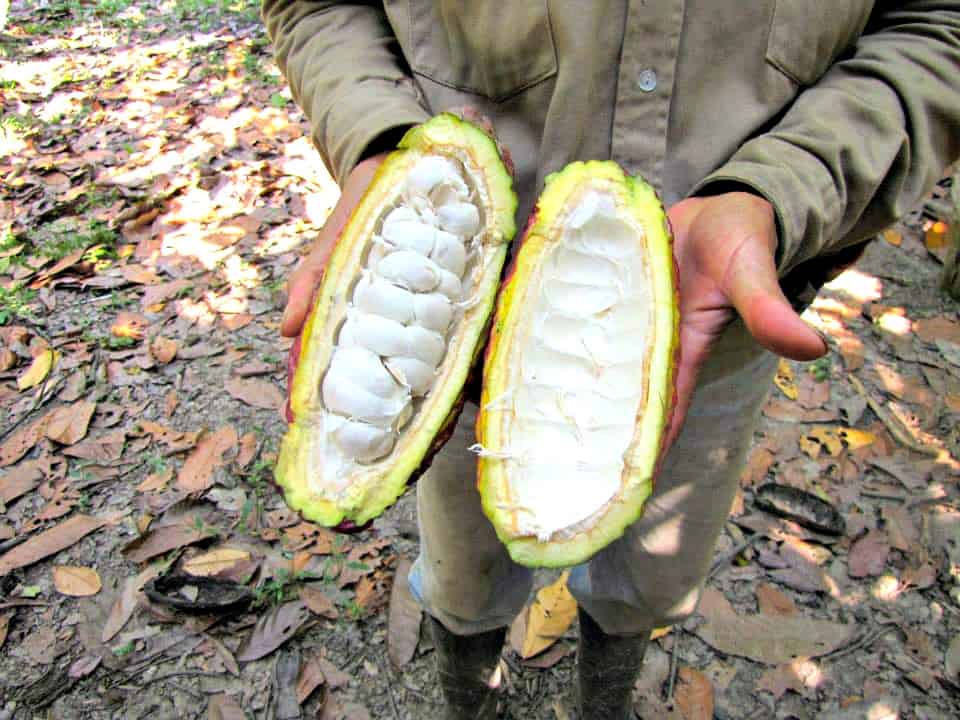
One of them involves the creator god Sibú, who transformed a woman into a cacao tree to help sustain humanity.
Tribal guide Tirza Morales Sánchez explains that only certain clan women are chosen from birth to be “guardians of the cacao.” Bribri cacao ceremonies help strengthen their relationship with the divine.
The Talamanca Association of Ecotourism and Conservation (ATEC) is pioneering community-based indigenous tourism in Costa Rica, allowing you to learn from the experts in a more meaningful exchange.
Tour a local farm to learn more about traditional chocolate-making and proper tasting of artisanal cacao. Such excursions support ATEC’s local culture and spiritual knowledge for generations to come.
READ MORE: The Role of Community-Based Tourism in Responsible Travel
6. Arenal— Powering Communities with Renewable Energy
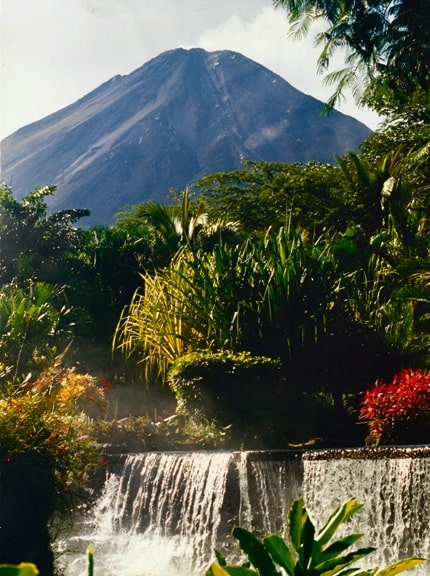
Costa Rica is leading the way with renewables. The country gets 98% of its electricity from clean energy sources, most of which comes from hydroelectric and geothermal power via Arenal Volcano and Lake Arenal.
This national achievement has fostered local resilience, enabling a model of energy independence.
You can participate in Costa Rica’s renewable energy tourism by visiting Rancho Margot, a self-sufficient organic farm that generates 100% of its power through hydroelectric technology.
Whether you simply tour the grounds or book a longer stay at the eco resort, you venture past the usual sightseeing and contribute to a more circular economy.
If you’re seeking a deeper immersion, you can participate in Rancho Margot’s volunteer program, where you work 6 hours a day, 6 days a week, in exchange for room & board.
Depending on the time of year you choose to visit, you might assist the ranch with gardening, animal care, kitchen tasks, or general maintenance.
READ MORE: Going Green: 60 Simple Tips You Can Use Every Day
7. Gandoca Coast— Witnessing Sea Turtle Climate Adaptation
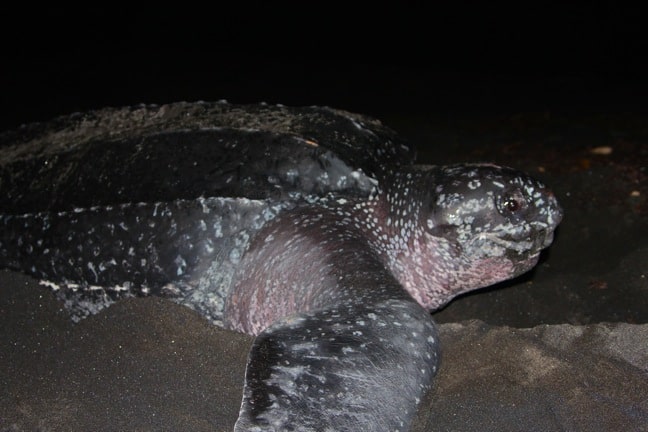
Along the shores of the Gandoca-Manzanillo Wildlife Refuge, climate change and rising sea levels are inundating leatherback turtle nests.
The turtles that arrive here are part of a single meta-population that nests across Costa Rica and Panama, and are particularly susceptible to illegal egg harvesting.
Other research has demonstrated how leatherbacks are vulnerable to rising temperatures. Over 34 years, incubation periods have decreased by 4.4 days, while 46.9% of hatchlings are female, threatening the species’ long-term survival.
In Gandoca, organizations like the Costa Rican Alliance for Sea Turtle Conservation & Science (COASTS) measure the environmental conditions and well-being of the turtles.
They support ecotourism and environmental volunteering that rejuvenates coastal areas for marine life, such as those offered by Posada Casa Tucán Tranquilo.
You can also find community-led nighttime turtle watching excursions at Caribe Sur. Funds from ticketing have vital regional impacts for healthy turtle populations and enable local efforts to continue their crucial conservation work. –by Alex S. Morrison; photos by Bret Love & Mary Gabbett