Co-Founded by Bret Love & Mary Gabbett, Green Global Travel is an ecotourism, nature / wildlife conservation & cultural preservation magazine. More about us.
When we started researching Spain eco attractions, we were surprised to see how many amazing opportunities the European nation offered for outdoor recreation. From the nature-lover’s paradise of Aigüestortes i Estany de Sant Maurici National Park and the untouched islands of Cabrera National Park to Tenerife’s Mount Teide (the third largest volcano on the planet), there were far more options than we’d imagined. It ended up being more difficult than expected to narrow down our wish list, but these are the Top 5 Spain Eco Attractions we’d love to see:
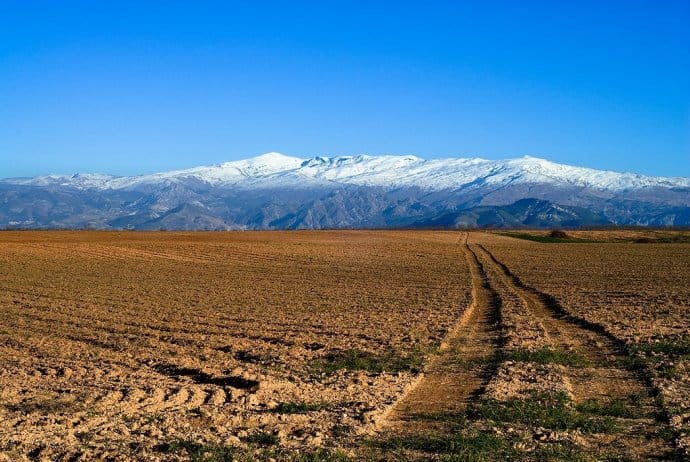
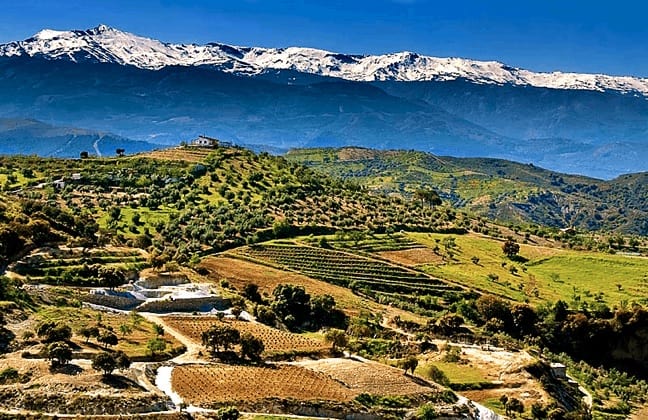
One of Spain’s most popular ecotourism destinations, Sierra Nevada National Park offers a lot more than the skiing for which it is best known. With 20+ peaks over 3,o00 meters tall, the park boasts spectacular scenic vistas, as well as numerous natural mineral springs and more than 50 mountain lakes. Covering over 85,000 hectares that stretches from the Alpujarra to El Marquesado and the Lecrin Valley, the park’s diverse ecosystems are home to 2100 plant species (60 of which are unique to the area). The UNESCO Biosphere Reserve is also home to an array of animals, including the Eurasian Eagle-owl, Wild Boar, Badgers and a thriving population of Iberian Ibex. Sounds like our kind of place!
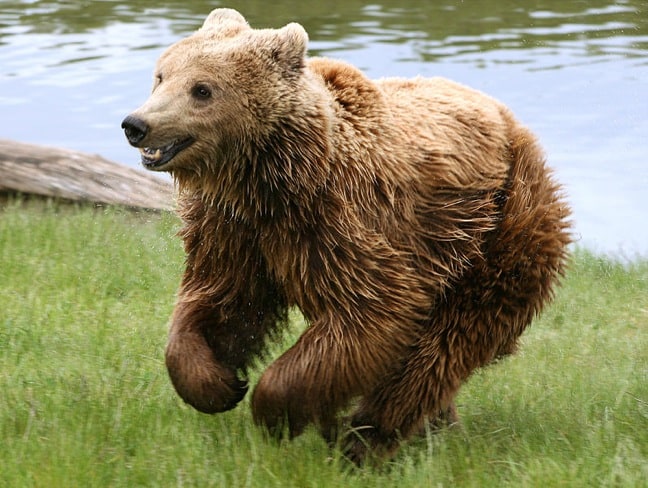
I’ve been fascinated by bears for decades. I’m always seeking out opportunities to see them in the wild when we travel. Somiedo Natural Park, about four hours from Bilbao Hotels, is the only place where you can reasonably hope to see Cantabrian Brown Bears. They are known as “the littlest grizzly” due to their diminutive size (average female weight is 185 pounds, while males tend to be in the 250-300 pound range). Spain’s Brown Bear Foundation has been a leading force in preserving the troubled population, which has risen in recent years to around 150 bears, approximately 40 of which can be found in the 39,000-hectare UNESCO Biosphere Reserve. Their wardens lead eco-tours of the bears’ habitat, which includes evergreen forest and pastoral meadows.
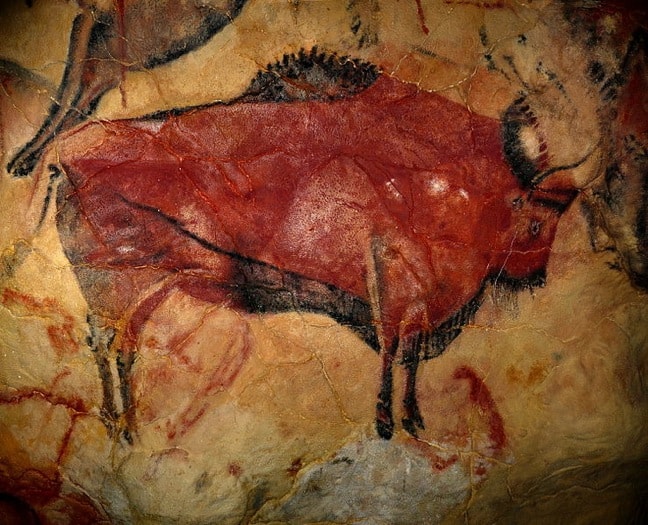
After traveling recently to see cave paintings in Chile and petroglyphs in Jordan, I find myself eager to see more ancient artwork around the world. Northern Spain’s Cantabrian coast boasts a bevy of significant sites, including 17 caves full of Palaeolithic Cave Art dating back to 35,000-9,000 BC. The most famous of these is Altamira Cave, which is known as the “Sistine Chapel of Quaternary Art.” But we would also want to check out the Hall of Etchings at Peña de Candamo, the animal figures and colored stalactites of Las Monedas Cave, and the expansive gallery at El Castillo Cave (which includes 275 figures and represents some of mankind’s earliest art). Collectively, these caves were given UNESCO World Heritage Site status back in 2008.
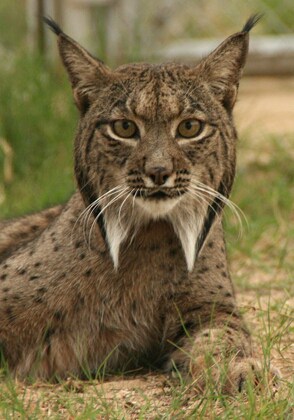
Andalusia’s Doñana National Park encompasses marshland, shallow streams and sand dunes on Spain’s southern Atlantic coast. Purchased by World Wildlife Fund in partnership with the government in 1963, the wetlands offer an impressive biodiversity that makes it unique on the European continent. The variety of ecosystems contained within the 135 square km protected area include thousands of migratory birds (from Europe and Africa), Spanish Red Deer, European Badger, Egyptian Mongoose, and the critically endangered Iberian Lynx and Spanish Imperial Eagle. In short, this UNESCO World Heritage Site is a must-see for Spain eco tourists.
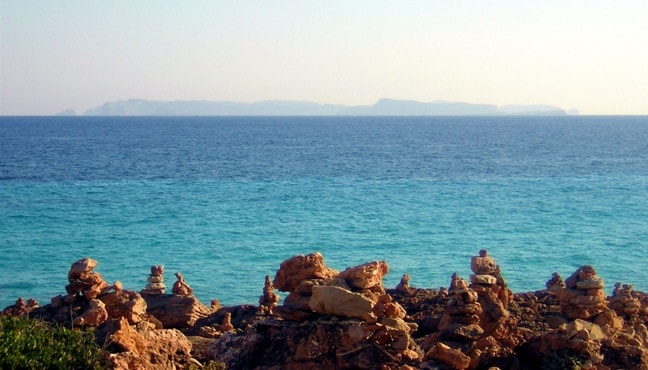
Located south of Mallorca in the Balearic Islands, this 100 square km park (officially known as Cabrera Archipelago Maritime-Terrestrial National Park) is about as remote a destination as any nature lover could hope to visit. Due to its isolation– and the fact that it was used by Spanish military until 1986– the coastal landscape of these 19 islands and islets has remained relatively unchanged, making the area a haven for wildlife, avid divers and nature lovers alike. Access to the park is limited to just 200 people a day to minimize environmental impact. But there’s plenty to do here, including visiting the 14th-century Cabrera Castle, hiking to the viewpoint at Na Bella Miranda, and boating through one of the most pristine parts of the Mediterranean. –Bret Love
If you enjoyed reading about our Top 5 Spain Eco Attractions, you might also like:
SPAIN: Volunteering in the Pyrenees
ENDANGERED SPECIES SPOTLIGHT: Iberian Lynx
10 Eco-Friendly European Islands for Your World Travel Bucket List
This post was brought to you in part by cheap flights specialist Skyscanner
which offers flights to dozens of destinations in Spain.
Pingback: Volunteering On A Vineyard in the Spanish PyreneesGreen Global Travel
Pingback: ENDANGERED SPECIES SPOTLIGHT: Iberian Lynx | Green Global TravelGreen Global Travel
Hang on a minute – you’re telling me Spain has both bears and the Sierra Nevada’s? And I’m living right next door to it? That’s amazing!
That is PRECISELY what I am telling you, Mr. Norah! I’m surprised with your love of hiking that you haven’t been to the Sierra Nevadas yet.
Been a couple of times to Spain now but haven’t seen any of these place!
Cole @ FourJandals.com recently posted..6 Travel Safety Tips for Couples – Part 1: Before You Travel
Cool, so this gives you 5 reasons to go back, which gives us a sense of accomplishment!
Beautiful places! When I was in Spain, I wish I had spent more time exploring the natural beauty. Love hiking and the outdoors so maybe I can make my next trip to Spain an eco/outdoors one!
Jeremy Branham recently posted..Cambodia travel guide for budget travelers
Yeah, I personally can only stay in a crowded urban environment for so long before I need to get away to some fresh air, blue sky, green grass/trees and/or open waters. We’re probably the only people I know who’ve been to major cities like San Jose (Costa Rica), Panama City, Lima, Santiago and Guayaquil (Ecuador) and not spent more than 24 hours in any of them. Just not our thing…
Wow, stunning! I had no idea about these places either! The iberian lynx is stunning!
Steph | DiscoveringIce.com recently posted..Carnaval de Negros y Blancos de Pasto, Colombia
Yeah, they’re pretty adorable, aren’t they? And with numerous efforts to conserve them currently in place, hopefully there will be more of them in the wild in years to come!
Love these! You have great timing – we’re in Spain in less than a week, and I’m finding that a lot of the tourist info out there is geared at museums and large cities. Time for a road trip, I think!
Micki recently posted..Our Travel Bloggers Best Dozen Posts
Cool! Hope the tips come in handy. Let us know how it goes!
I have always been fascinated by the lynx, maybe it’s those little antenna-like tufts on their ears. Maybe if I head to Donana I’ll ge to see one!
Larissa recently posted..Atop the Burj Khalifa the tallest building in the world
From what I understand they’re very difficult to spot in the wild, but wouldn’t it be something if you did?
I haven’t been a big fan of Spain’s larger cities, but I’d love to visit some of these places and especially to see the bears!
Jennifer recently posted..The Coral Adoption Program at Anantara Kihavah Villas
We’re with you, J: Bears rule!
I can’t believe I still haven’t been to Spain!! Everything looks so wonderful and vibrant. Sign me up to see the cave paintings for sure!
Bethaney – Flashpacker Family recently posted..Three Awesome Walks in New Zealand
You’re not the only one, Bethaney! I’m sure we’ll both get there eventually…
These all sound amazing and I’d not heard of any of them bar the Sierra Nevada!
Natasha von Geldern recently posted..China: Rock Climbing in Yangshuo
Mission accomplished!
I feel fortunate to live so close to both the Sierra Nevada and the Doñana park! It’s important to note that Doñana can only been seen with guides (I’ve only just driven through on my way to the beach!), and that they think Atlantis is underneath it!
Cat of Sunshine and Siestas recently posted..Seville Snapshots: Love Locks in Florence, Italy
Yeah, I love that you cannot explore Doñana without a guide. Sounds like our kind of place!
Wow, had no idea Spain had bears. Good article!
Thanks, David! We had no idea either until we did our research. The only problem with doing thorough research on a place you’ve never been is that it often results in being desperately eager to go there!
Love this! The last two times I have been to Spain we mostly focused on the cities – but this list really makes me want to go back and explore some of the nature as well
Jade Johnston – OurOyster.com recently posted..USA Travel – Las Vegas Hotels Without Resort Fees
Imagine how I feel, not having been to Spain at all! Would really love to do a 2-week trip to Spain and Morocco.
I am definitely going to visit the Islands of Cabrera National Park!! Beautiful…
Val-This Way To Paradise recently posted..The Punishment and The Reward: How My Illegal Entry Into Cuba Changed Me
It does look almost breathtakingly scenic, doesn’t it?
This is great! I have lived in Spain for nearly 7 years but never done this. It feels like I have to go back

Far East Flashpacker recently posted..Comment on Bangkok guide by anotteaback
That’s awesome! Glad we could give you some inspiration for a country you know so well.
Like you, I’m fascinated by ancient artwork. I’ve added the Palaeolithic Cave Paintings of the Cantabrian Coast to my list of must-go places.
Ooh, then you might want to check out our latest post on Torres Del Paine National Park, as we saw some great, little-known cave paintings there.
Great post again guys! And as always, great photos! We are hoping to get back to Spain later this year so this will come in handy.
Suitcase Stories – Nicole recently posted..Why I left my successful career for a life of travel
Thanks so much, Nicole! I (Bret) still haven’t been to Spain, but doing the research for this piece certainly helped move the country a little bit higher on my must-see list.
Once again you wow me with great green reporting about a destination I thought I knew well. Then again, I’m pretty focused on the color red (as in wine) when I’m in Spain!
Karen @ Trans-Americas Journey recently posted..Ocean to Ocean in One Day – Panama Canal, Panama
Thanks, Karen! That’s our goal: To research these lists so well that even experienced travelers can discover something new. I’d love to one day be able to turn that ability into a vacation-planning service for people seeking off-the-beaten-path green travel options.
So many more reasons to love one of my fave countries in the world. Plus, you’ve given me some great ideas for when I visit later in the year. Cheers!
Linda McCormick recently posted..Love is All Around ~ Hearts in Nature
I love that, Linda! So glad our research-based stories can inspire someone who has already been to a country to explore its eco-friendly attractions even further. That makes my day!
Some great choices here, Bret. I was surprised despite mentioning them in your intro, that the Canary Islands didn’t feature in your top 5. I’m biased because I live in the Canaries, but they really are special: http://www.huffingtonpost.co.uk/matthew-hirtes/the-canary-islands-the-se_b_2270031.html.
Matthew Hirtes recently posted..Bandama
Matthew, we did consider including them, but we previously covered the Canaries in our Top 10 Eco-Friendly European Islands Bucket List story (http://greenglobaltravel.com/2012/07/20/10-eco-friendly-european-islands-world-travel-bucket-list). For our “Top Eco Attractions” series, we really do try to find a variety of off-the-beaten-path options for serious nature lovers. And since we only wanted to include one island in the piece for the sake of diversity, we thought Cabrera National Park sounded like the sort of little-known unspoiled gem we’d love to visit. But believe me, the Canary Islands are definitely on our must-see list!
Thanks for this. I would add Cabo de Gata, a protected natural park, a UNESCO Biosphere in the far south of Spain in Almeria province.
Hey, Bret, nothing against the Balearics. That’s definitely an area I’d love to return to. I’m sure if you ever came to the Canaries, you’d adore them.
Matthew Hirtes recently posted..Bandama
The assumption that Spanish Brown Bear Foundation (FOP) has been a leading force in preserving this threatened population has a lot of uncertainties. Most of native Spanish people living in the north know very well about this foundation job, basically “greening” many human perturbations promoted by regional administrations in bear remaining habitats of Cantabrian range and Pyrenees (hunting, illegal hunting, mines, forest fires, wolf and other wildlife culling, etc.). This foundation is taking care of their own interest, and the priorities are very different to the ones that should be the effective conservation of all bears and still remaining wildlife. However, they have a nice marketing to sell bear conservations success that only could be atributed to the survival instinct of the brown bears after millenia of persecution.